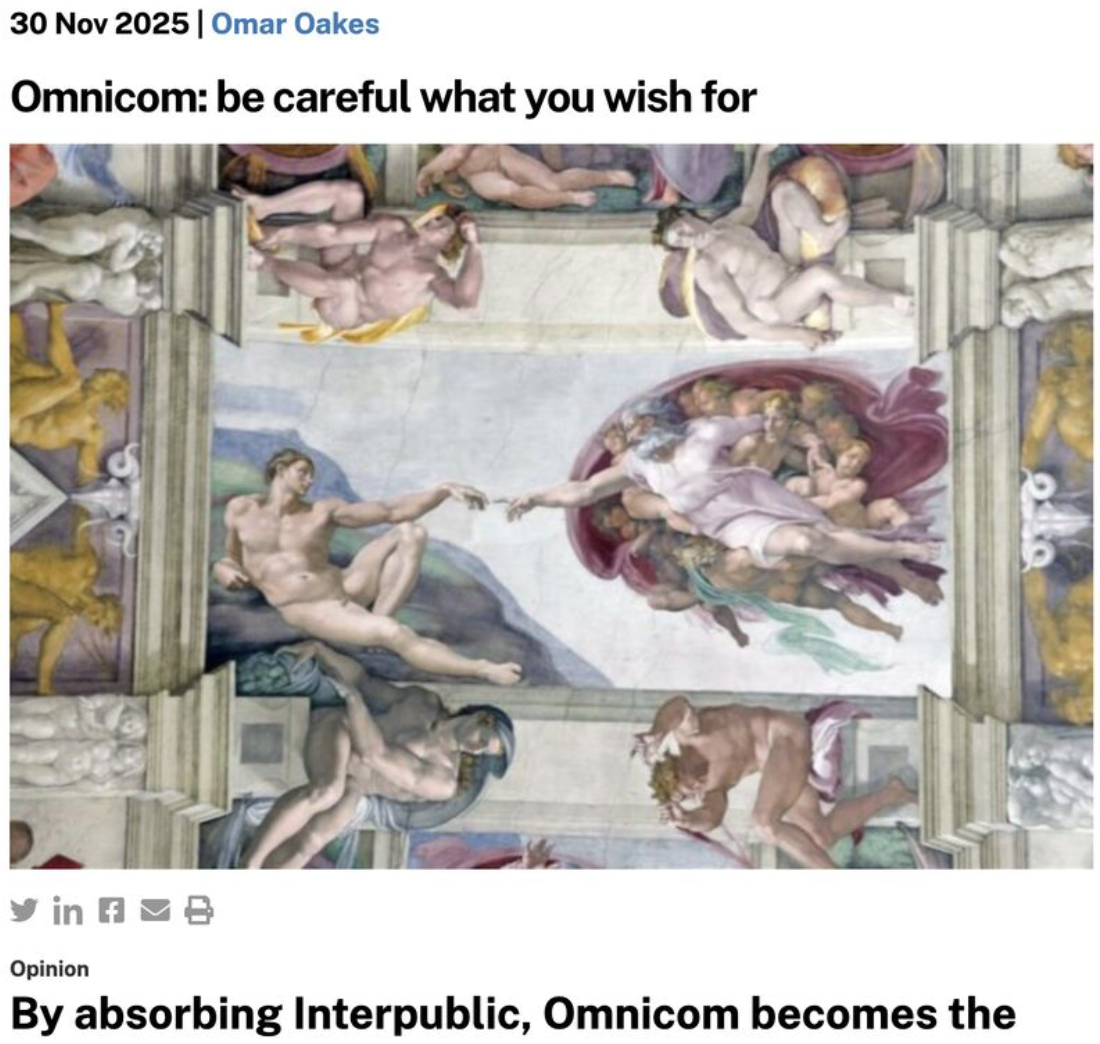
Omnicom: be careful what you wish for
A critique of Omnicom’s ambitions that interrogates scale, integration, and investor logic—asking whether what looks like strategic progress may actually deepen the industry’s most persistent structural problems.

At last! Disney embraces creators — now who else has the courage to follow?
A commentary on Disney’s creator strategy that treats the move less as a partnership announcement and more as a cultural signal—raising harder questions about who controls distribution, legitimacy, and risk in the new media economy.
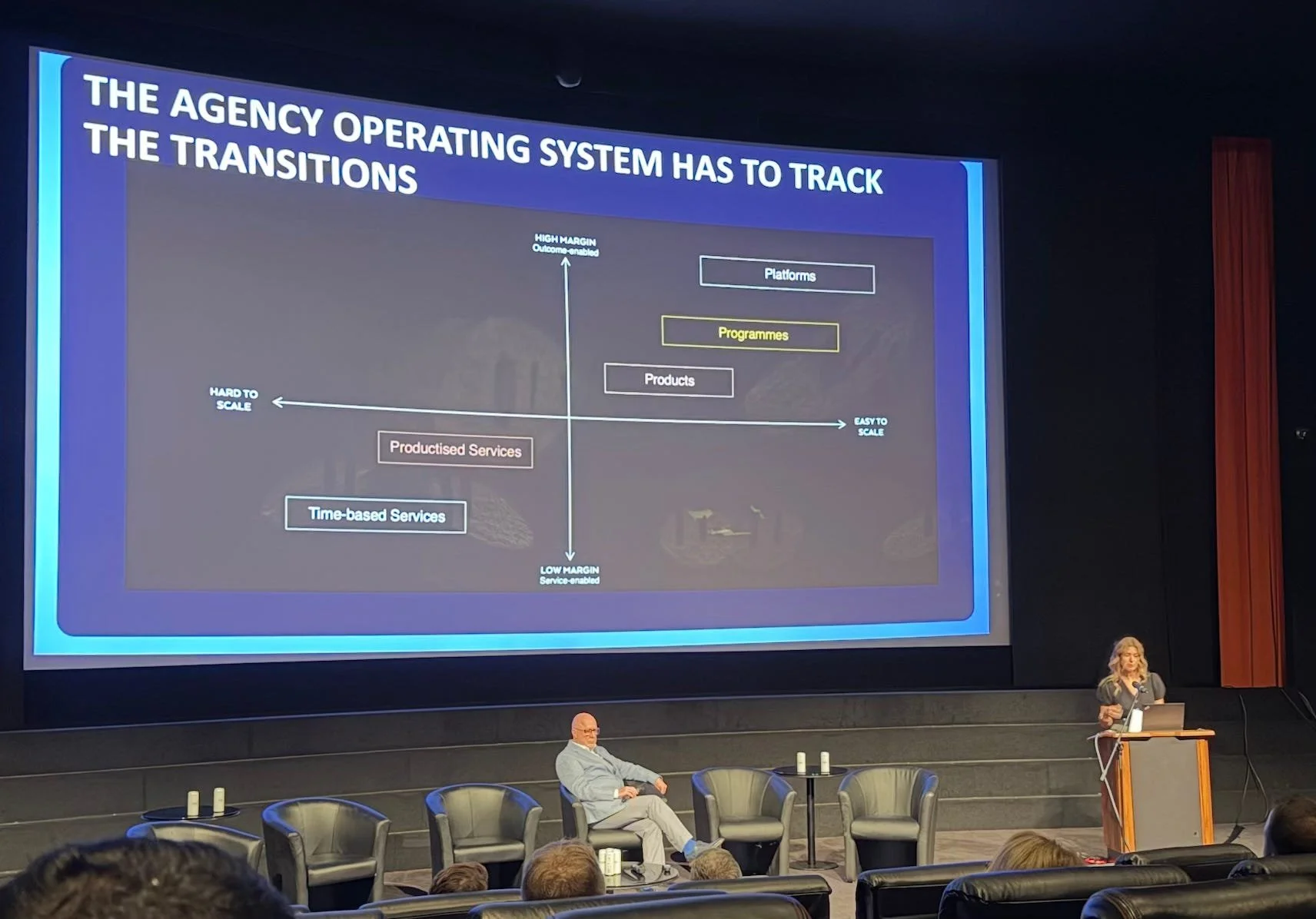
Advertising: Who Cares? Podcast with Nick Manning
A podcast conversation with Nick Manning to question what advertising still stands for—and whether an industry obsessed with optimisation has quietly lost sight of responsibility, consequence, and care.

Stop blaming planners. It’s their clients who make media ineffective
A challenge to the industry’s favourite scapegoat, arguing that media inefficiency is driven less by planning failure than by client incentives, procurement pressure, and decision-making structures no planner can override.

Why parasitic platforms keep feeding on media
An examination of how dominant platforms extract value from media ecosystems, why publishers struggle to resist, and what the next phase of this parasitic relationship is likely to look like as power further concentrates.
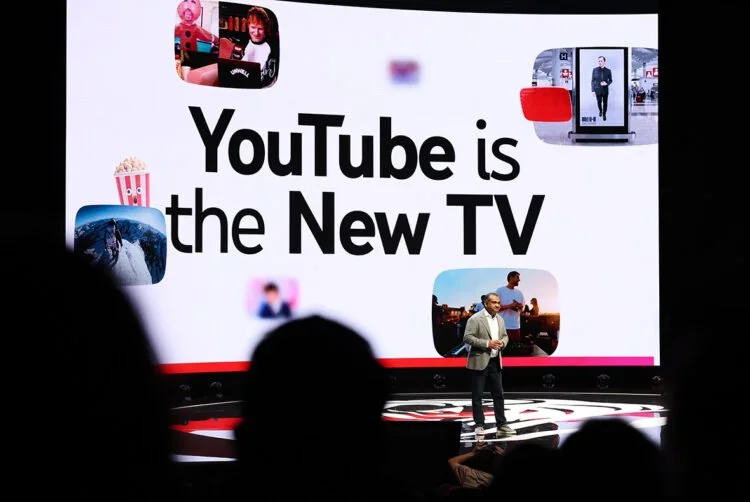
No-one knows whether YouTube is TV or social — not even YouTube
A critique of YouTube’s strategic ambiguity, exploring how its refusal to define itself as TV or social creates measurement confusion, regulatory blind spots, and convenient flexibility for a platform that benefits from being both—and neither.
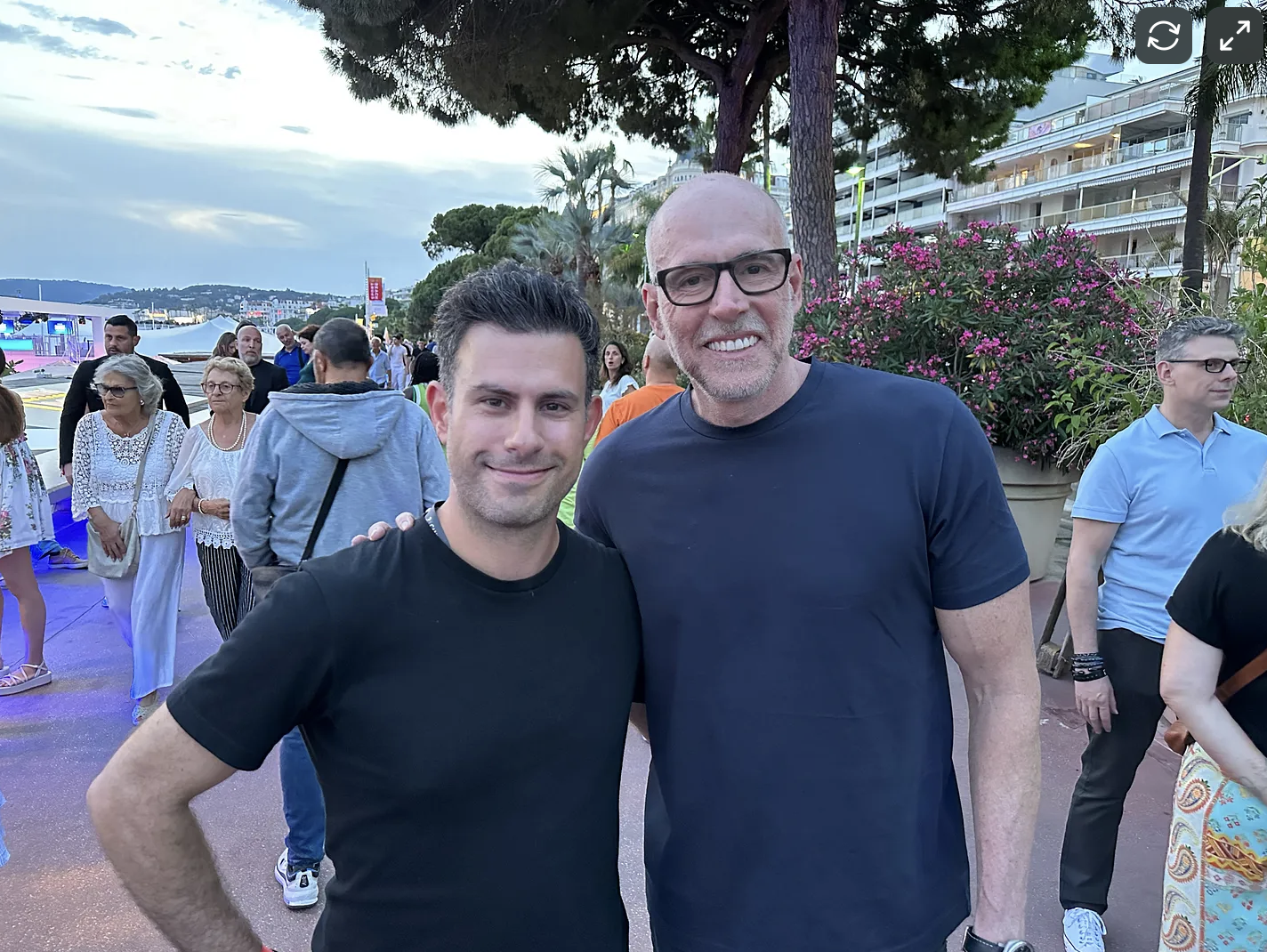
Why do so many smart people get advertising so wrong?
A diagnostic essay on why experienced, intelligent people repeatedly misunderstand advertising—arguing the problem isn’t ignorance, but flawed mental models shaped by platforms, incentives, and oversimplified narratives.

What if the next great agency was built for a dry cleaner?
A thought experiment that flips agency ambition on its head, asking what would change if agencies were designed for ordinary businesses—revealing how complexity, ego, and scale quietly undermine effectiveness.