Thinking in public.
Writing with consequences
What follows is a curated selection of journalism, essays, and commentary written for people who shape media, advertising, and power — and who are prepared to be challenged by it.
To regularly follow my writing:
Journalism
Columns, features, and investigations published with editorial oversight — often where commercial incentives, institutional behaviour, and public narratives collide.
This is where I slow things down, interrogate assumptions, and follow the incentives to their logical end.
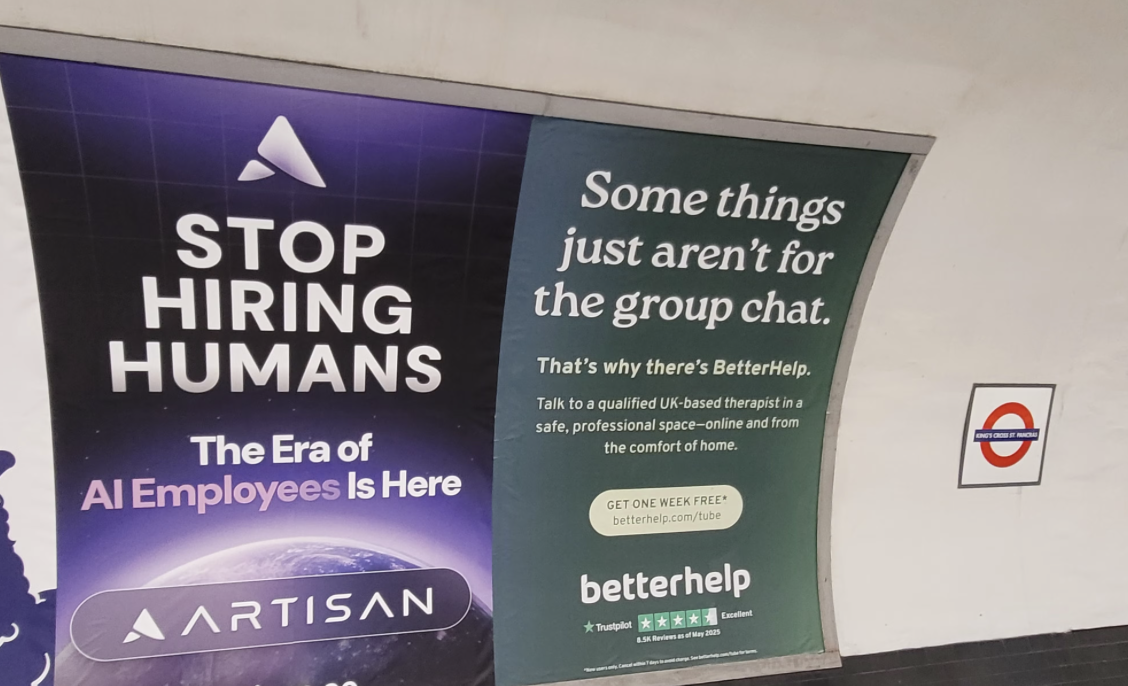
A forensic takedown of a widely-shared story about AI decimating agency jobs — correcting the maths, naming the actual culprits (holding company mergers, broken economics, a post-Covid hiring correction), and making the case that misdiagnosing the cause will only deepen the damage.
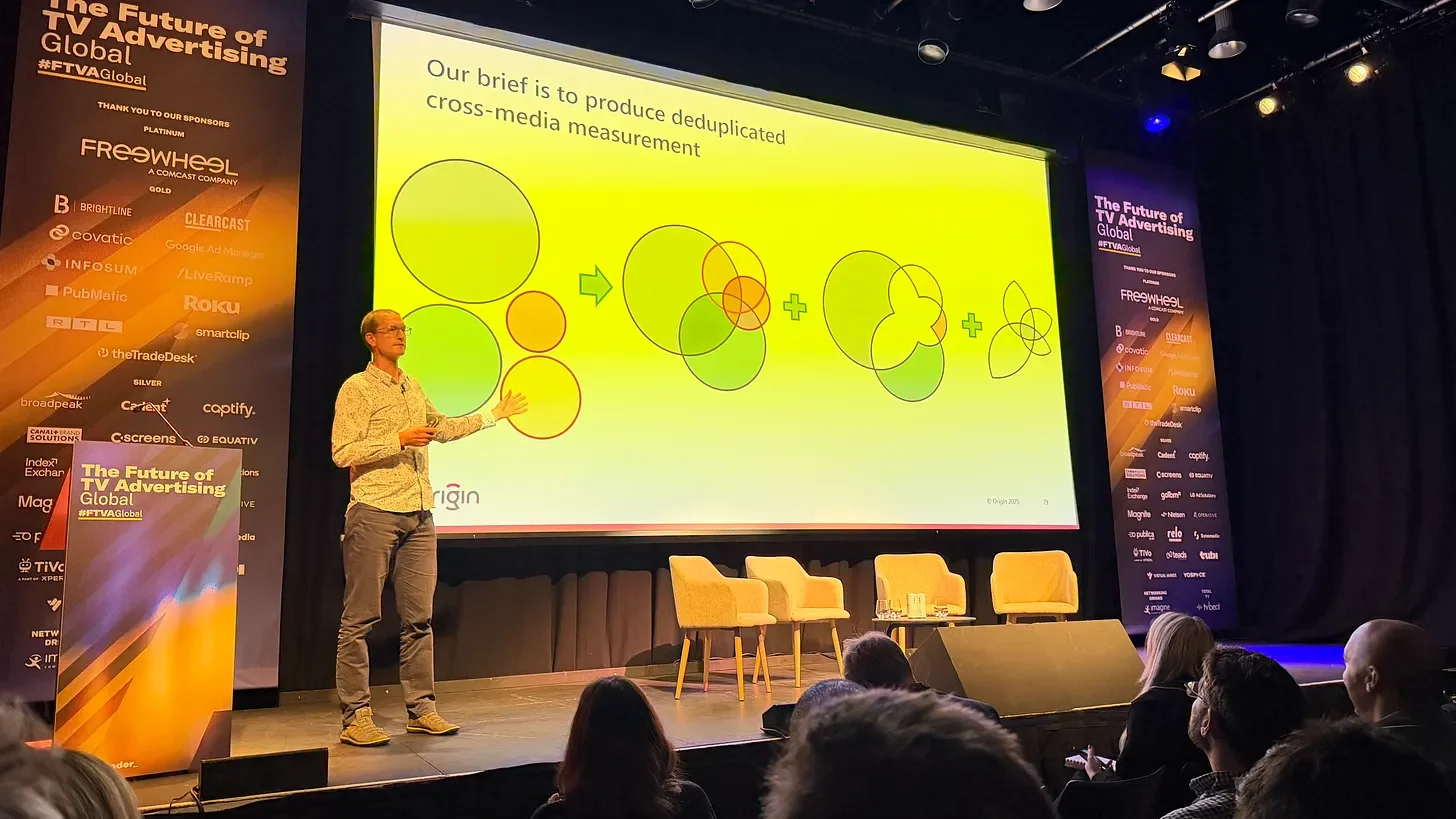
An examination of why TV advertising measurement keeps breaking down—and why the next phase will be defined less by technical fixes than by power, incentives, and whose version of “truth” the market agrees to trade on.
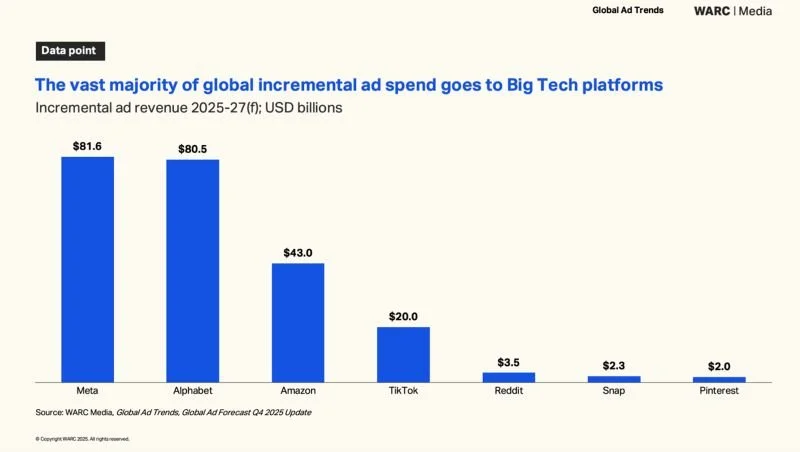
An analysis of global ad growth that looks past the headline number to show how market concentration is accelerating—revealing who actually benefits from growth, and why most of the industry doesn’t.
A podcast conversation with Nick Manning to question what advertising still stands for—and whether an industry obsessed with optimisation has quietly lost sight of responsibility, consequence, and care.
An analysis of Disney’s profit rebound that reframes success as a warning—showing how cost discipline, consolidation, and strategic retreat may define the next phase of the streaming wars, not endless growth.
Essays & Commentary
Opinion, sharpened by experience rather than outrage.
Longform essays and Substack pieces where I step outside newsroom constraints and think more freely — but not casually.
These pieces tend to:
interrogate industry myths
connect media to wider social or political consequences
test ideas in public before they calcify into “received wisdom”

A dissection of IAB Sweden's decision to expel Meta — and IAB UK's decision to give it a Gold Standard — that reframes the story not as a geography lesson, but as a warning about what happens when trade bodies become structurally incapable of holding their most powerful members to account.
An analysis of YouTube's "new TV" strategy that reframes the whole debate — arguing that Alphabet's ambiguity about whether YouTube is a broadcaster or a platform isn't confusion, it's deliberate regulatory camouflage designed to protect a second monopoly before anyone notices it exists.
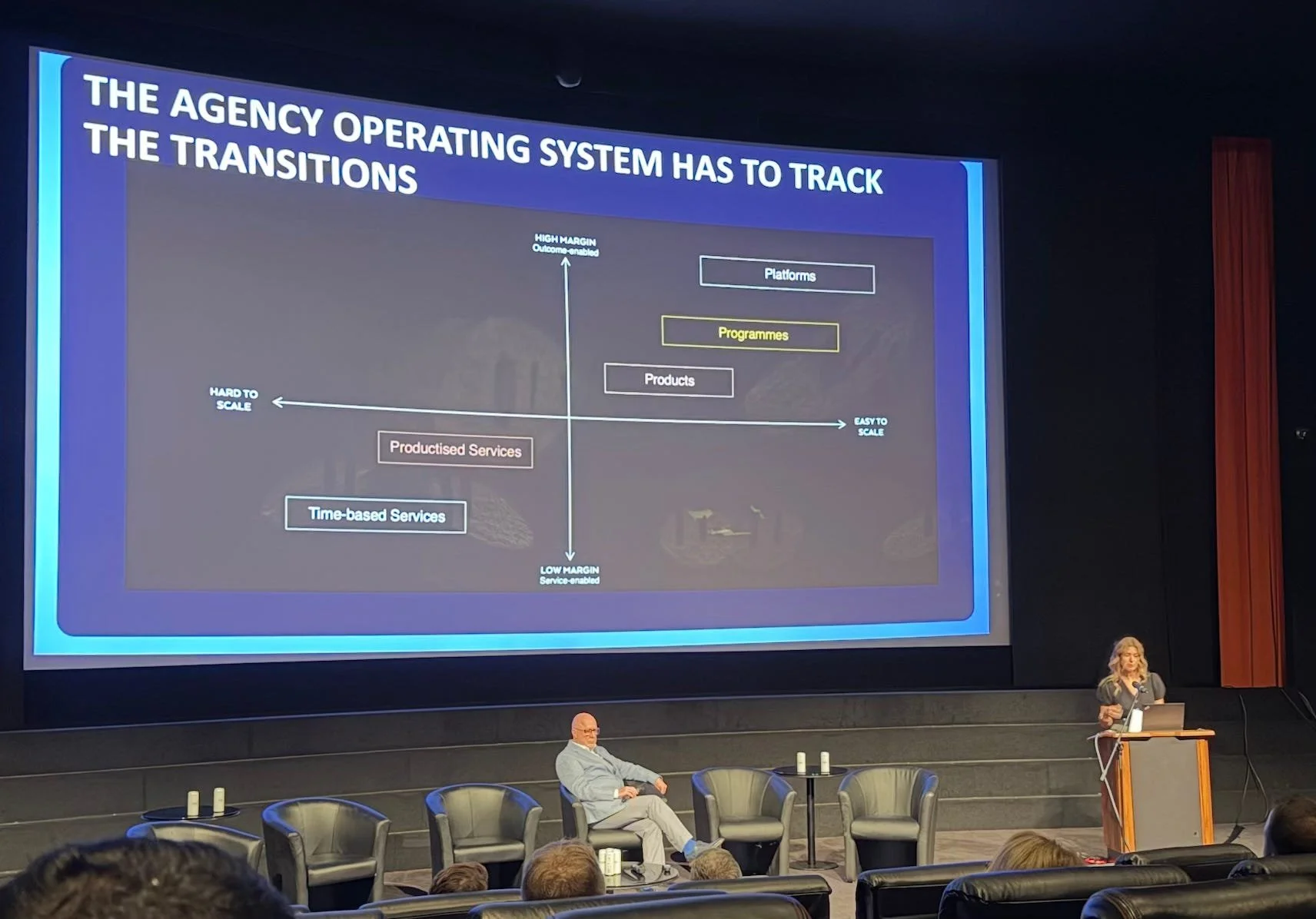
A clear-eyed review of media agencies’ year that strips away league tables and hype, focusing instead on structural pressures, strategic mistakes, and the uncomfortable truths rankings are designed to obscure.
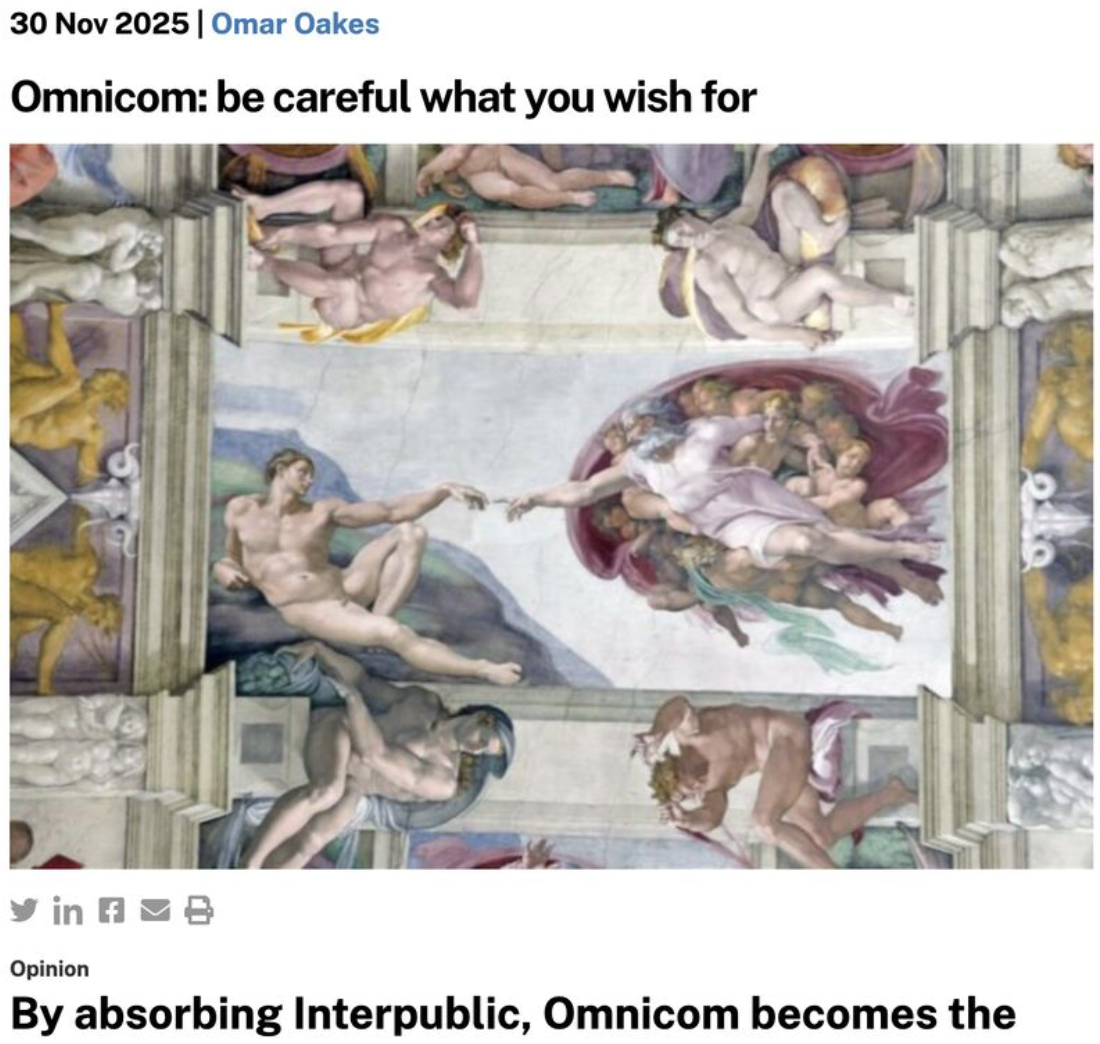
A critique of Omnicom’s ambitions that interrogates scale, integration, and investor logic—asking whether what looks like strategic progress may actually deepen the industry’s most persistent structural problems.
A commentary on Disney’s creator strategy that treats the move less as a partnership announcement and more as a cultural signal—raising harder questions about who controls distribution, legitimacy, and risk in the new media economy.